
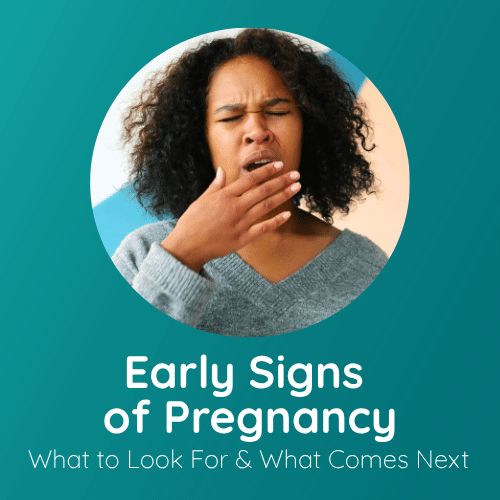
The first weeks of pregnancy are often invisible from the outside, but inside, a lot is already happening. Some people notice changes right away. Others feel nothing unusual until well into the first trimester. Either way, knowing what early pregnancy symptoms look like can help you make sense of what your body is telling you.
This guide covers the most common early signs of pregnancy, when they tend to start, and how to get the support you need, including free pregnancy support in Oregon if you have Medicaid.
How Early Do Pregnancy Symptoms Start?
Early pregnancy symptoms can begin as soon as one to two weeks after conception, which is often before you’d even take a pregnancy test. For many people, symptoms become more noticeable around weeks four through six, or shortly after a missed period.
That said, every body is different. Some people feel pregnant almost immediately. Others don’t notice much until well into their first trimester. Neither experience is more “correct” than the other.
The Most Common Early Signs of Pregnancy
1. Missed Period
A missed period is usually the most obvious sign that something is different. If your cycle is fairly regular and your period doesn’t arrive when you expect it, it’s worth taking a pregnancy test.
Keep in mind: some people experience light spotting or implantation bleeding (light bleeding that occurs when the fertilized egg attaches to the lining of the uterus) in early pregnancy, which can be mistaken for a light period. It typically happens about 10–14 days after conception and is usually lighter in color and shorter than a normal period.
2. Nausea (With or Without Vomiting)
Nausea is one of the most well-known early pregnancy symptoms, often called “morning sickness,” even though it can strike at any time of day or night. It typically starts around weeks four to six of pregnancy and can range from mild queasiness to more intense vomiting.
Not everyone experiences nausea in early pregnancy, and that’s completely normal. But if you’re suddenly feeling unsettled by smells, food, or nothing in particular, it could be an early sign.
3. Breast Tenderness or Swelling
Sore, tender, or heavy-feeling breasts are one of the earliest signs of pregnancy for many people. Hormonal changes can make breasts feel more sensitive than usual, similar to how they might feel before a period, but often more intense.
This symptom can show up as soon as one to two weeks after conception.
4. Fatigue
Extreme fatigue is a very common early pregnancy symptom. Your body is working hard: your hormones are shifting, your blood volume is increasing, and your body is beginning the work of growing a baby. All of that takes energy.
Early pregnancy fatigue often feels different from regular tiredness. It can feel more like a deep, hard-to-shake exhaustion that doesn’t improve much with rest.
5. Frequent Urination
Needing to use the bathroom more often than usual is another common early sign of pregnancy. As early as the first few weeks, your kidneys begin processing more fluid, and the urge to urinate can increase. This typically continues, and may intensify, throughout pregnancy.
6. Food Aversions or Cravings
Suddenly can’t stand the smell of coffee? Craving something specific you’d never normally want? Changes in your sense of taste and smell are common in early pregnancy, and they can show up earlier than you might expect, sometimes even before a missed period.
Food aversions are especially common in the first trimester and are often tied to nausea.
7. Bloating and Cramping
Early pregnancy can cause mild cramping and bloating that might feel similar to what you experience before your period. This can be confusing, since it’s easy to mistake early pregnancy symptoms for PMS.
The cramping in early pregnancy is usually lighter than period cramps and may be accompanied by a feeling of fullness or heaviness in the lower abdomen.
8. Mood Changes
Hormonal shifts in early pregnancy can affect your mood, sometimes significantly. You might feel more emotional, irritable, anxious, or teary than usual, even if nothing major is happening in your life. This is a recognized and common early pregnancy symptom.
9. Light-Headedness or Headaches
Some people experience headaches or mild dizziness in early pregnancy, related to hormonal changes, changes in blood pressure, or shifts in blood sugar. Staying hydrated and eating regularly can help.
10. A Heightened Sense of Smell
Many pregnant people describe becoming much more sensitive to smells in early pregnancy, sometimes before they even suspect they’re pregnant. Certain scents that never bothered you before might suddenly feel overwhelming. This is thought to be connected to rising estrogen levels.
Pregnancy Symptoms Before a Missed Period: Is That Possible?
Yes, it is possible to notice early pregnancy symptoms before a missed period. Implantation (when the fertilized egg attaches to the lining of the uterus) happens about 6–12 days after conception, and some people notice implantation bleeding or mild cramping at that stage. Breast tenderness, fatigue, and nausea can also begin before a period is due.
That said, many of these early signs overlap with PMS symptoms, so it can be hard to know for certain until you take a test.
When Should You Take a Pregnancy Test?
Home pregnancy tests work by detecting a hormone called hCG (human chorionic gonadotropin), which your body starts producing after implantation. Most tests are most accurate on or after the first day of a missed period.
Some early-detection tests claim to work a few days before a missed period, but false negatives are more common when testing very early. If you get a negative result but your period still doesn’t arrive, test again a few days later.
You Don’t Have to Navigate Pregnancy Alone. You May Qualify for a Free Doula.
A positive pregnancy test can bring up a lot of feelings—excitement, uncertainty, questions—maybe all at once. It helps to have someone knowledgeable and caring in your corner. A doula is a trained support person who walks alongside you through pregnancy, birth, and the early weeks at home with your new baby. They’re not a medical provider; they’re someone who listens, helps you understand your options, prepares you for what’s ahead, and supports you every step of the way.
Research shows that having a doula can lead to better birth outcomes, lower rates of cesarean birth, and greater satisfaction with the birth experience.
If you’re pregnant and live in Linn, Benton, Lincoln, Lane, Marion, or Polk counties in Oregon, and you have Medicaid/OHP (Oregon Health Plan, InterCommunity Health Network, or PacificSource), you may be eligible for free, culturally-matched doula care through the Community Doula Program.
Our doulas speak more than ten languages and are matched to your needs, your experiences, and what matters most to you.
This post is for informational purposes only and does not constitute medical advice. Always seek the guidance of your physician or other qualified health professional with any questions you may have regarding your health or a medical condition.
June 8, 2026
Explore the Blog
Pregnancy Calculators
Birth Trauma: You’re Not Alone, and Support Can Help
Leg Cramps During Pregnancy: Why They Happen and How to Get Relief
Explore the Blog
Birth Trauma: You’re Not Alone, and Support Can Help